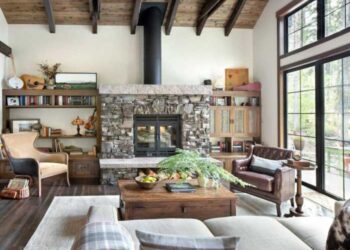
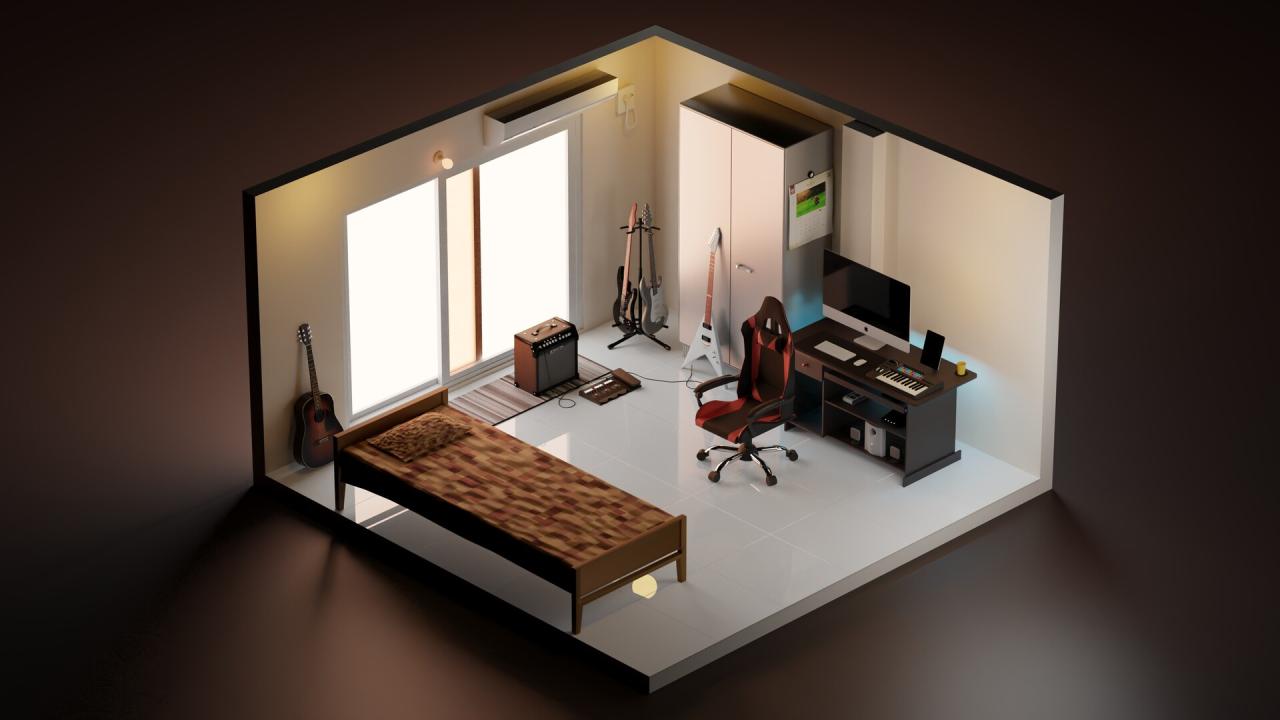
Step into the realm of 3D room models, where creativity meets technology to bring spaces to life in stunning detail. From architectural visualization to interior design, the possibilities are endless. Let's delve into this exciting world and uncover the magic of room 3D models.
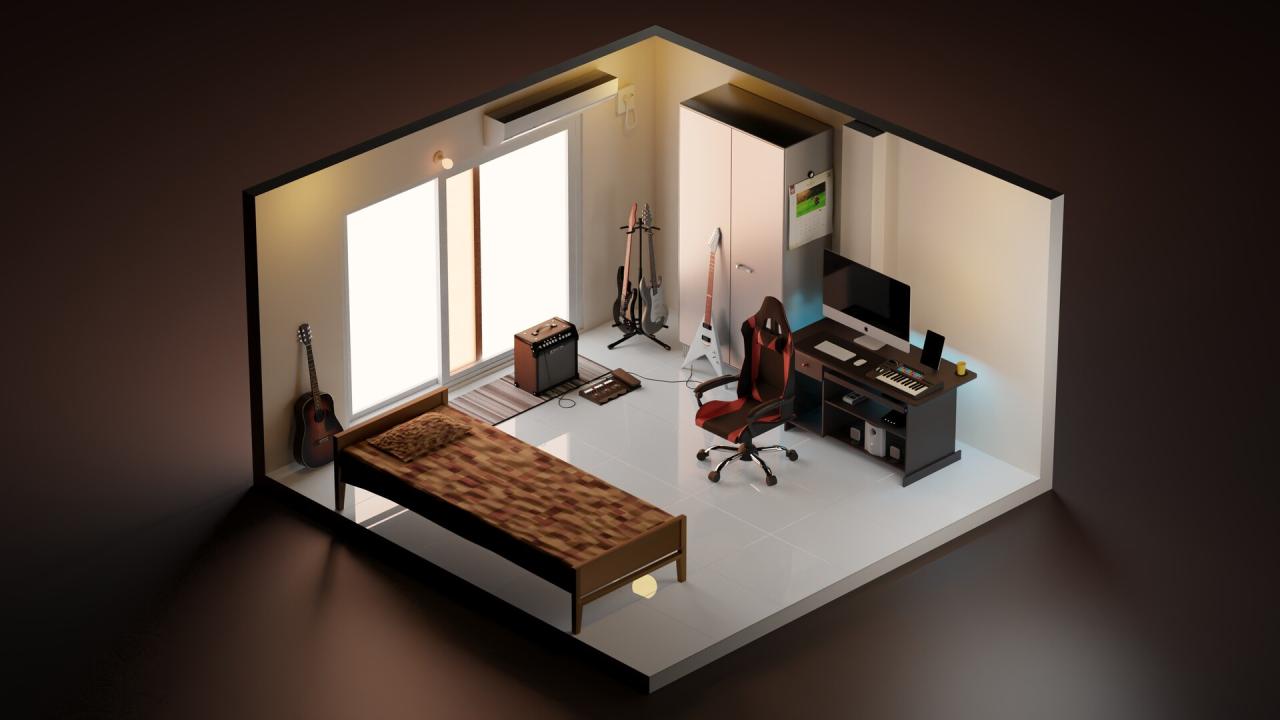 3D room models are digital representations of interior spaces created using computer software. These models are widely used in industries such as architecture, interior design, real estate, and gaming to visualize and plan spaces more effectively.
Overview of 3D Room Models
3D room models are digital representations of interior spaces created using computer software. These models are widely used in industries such as architecture, interior design, real estate, and gaming to visualize and plan spaces more effectively.
Benefits of 3D Room Models
- Enhanced Visualization: 3D room models provide a realistic view of a space, allowing designers and clients to see how different elements will come together.
- Efficient Planning: By using 3D models, designers can experiment with layouts, colors, and furniture arrangements before making any physical changes.
- Improved Communication: 3D room models help in conveying design ideas and concepts more clearly to clients, contractors, and other stakeholders.
Software for Creating 3D Room Models
There are several software options available for creating 3D room models, with some of the most commonly used ones being:- AutoCAD:Widely used in architecture and interior design for creating detailed 3D models of rooms and buildings.
- SketchUp:Known for its user-friendly interface, SketchUp is favored by designers for quick 3D modeling of spaces.
- Blender:A versatile software that allows for complex 3D modeling and rendering, suitable for creating realistic room models.
Creating a 3D Room Model
Creating a 3D room model involves a step-by-step process that starts from the initial design all the way to the final rendering. Let's dive into the details of how to create a stunning 3D room model.Importance of Accurate Measurements and Scale
Accurate measurements and scale are crucial when creating a 3D room model as they ensure that the model is realistic and proportional. Here's how to ensure accuracy:- Start by measuring the dimensions of the room, including the length, width, and height. Use a measuring tape or laser measurer for precise measurements.
- Input these measurements into your 3D modeling software to create the basic structure of the room. This will serve as the foundation for your model.
- Ensure that all furniture and decor elements are scaled correctly to fit within the room. This will avoid any disproportionate objects that could make the model look unrealistic.
Adding Textures, Lighting, and Details
Enhancing the realism of a 3D room model involves adding textures, lighting, and other details. Here are some tips to make your model more lifelike:- Apply realistic textures to walls, floors, and furniture to mimic real-life materials like wood, metal, or fabric. This will add depth and authenticity to your model.
- Experiment with different lighting setups to create the right ambiance in the room. Play with natural light, artificial light sources, and shadows to achieve a realistic look.
- Add small details like plants, books, or decor items to make the room feel lived-in and cozy. These details can bring your 3D model to life.
Using 3D Room Models for Virtual Reality (VR) and Augmented Reality (AR)
Virtual Reality (VR) and Augmented Reality (AR) technologies have revolutionized the way we interact with 3D room models, offering immersive experiences that go beyond traditional 2D screens. Let's delve into how 3D room models are utilized in VR and AR applications for various purposes.Immersive Experiences in VR and AR
- VR and AR technologies allow users to step into a 3D room model and explore it as if they were physically present, enhancing the sense of realism and presence.
- Interactivity is a key feature in VR and AR experiences, enabling users to manipulate objects within the room, change lighting conditions, and even customize elements to suit their preferences.
- Sound effects and spatial audio further enhance the immersive experience, making users feel like they are truly inside the virtual or augmented environment.
Differences Between 2D Screen Viewing and VR/AR Experience
- Viewing a 3D room model on a 2D screen offers a limited perspective and depth perception, whereas VR and AR provide a 360-degree view and depth perception, allowing users to explore every corner of the room.
- VR and AR experiences engage multiple senses, creating a more memorable and impactful experience compared to passive viewing on a 2D screen.
- Interactivity is significantly enhanced in VR and AR, as users can physically move around the room, interact with objects, and engage with the environment in ways not possible on a 2D screen.
Potential Applications in Various Fields
- Real Estate:Virtual property tours using 3D room models in VR and AR allow potential buyers to explore homes remotely and get a realistic sense of the space before visiting in person.
- Gaming:Immersive gaming experiences leverage 3D room models in VR and AR to transport players into richly detailed environments, enhancing gameplay and storytelling.
- Training Simulations:Industries like healthcare, aviation, and manufacturing use 3D room models in VR and AR for realistic training simulations, enabling learners to practice skills in a safe and controlled virtual environment.
Customizing and Personalizing 3D Room Models
When it comes to 3D room models, customization and personalization play a crucial role in creating a unique and tailored space that reflects individual preferences and needs. Adding personal touches and unique elements can elevate a 3D room model and make it stand out from the rest. Let's delve into how users can customize their 3D room models to suit their specific style and taste.Importance of Customization
Customizing a 3D room model allows users to infuse their personality into the design, creating a space that feels truly their own. By adding unique elements, such as favorite colors, furniture pieces, or decor items, users can make the room model a reflection of their style and taste. This personalization not only enhances the visual appeal of the model but also creates a sense of ownership and connection to the space.Transforming with Styles, Colors, and Furniture Choices
- Styles: Users can choose from a variety of interior design styles, such as modern, traditional, minimalist, or eclectic, to set the tone for their 3D room model. Each style brings its own unique elements and aesthetic, allowing users to create a space that resonates with their design preferences.
- Colors: The color palette used in a 3D room model can drastically impact the overall look and feel of the space. Users can experiment with different color schemes, from bold and vibrant hues to soft and neutral tones, to create the desired ambiance and atmosphere.
- Furniture Choices: Selecting the right furniture pieces can make a significant difference in the functionality and aesthetic of a 3D room model. Users can mix and match furniture styles, shapes, and sizes to achieve a cohesive and visually appealing layout that meets their needs.