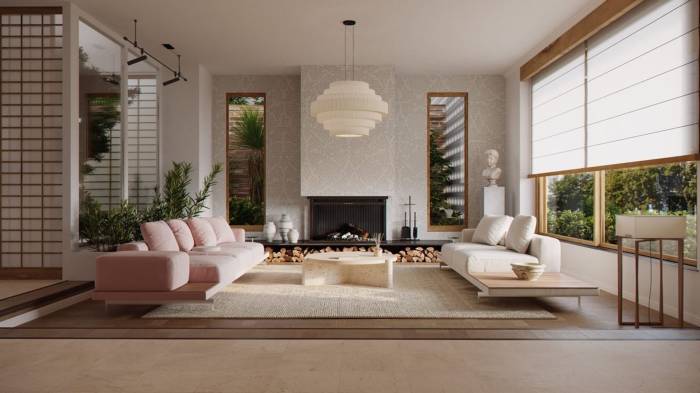
Step into the world of modern Japanese interior design, where traditional elements meet contemporary aesthetics. This captivating fusion creates spaces that are not only visually stunning but also deeply rooted in Japanese culture and history. From the use of natural materials to the integration of cutting-edge technology, modern Japanese interior design offers a unique and harmonious approach to creating inviting living spaces.
Explore the elements, color palettes, furniture, lighting, spatial layout, and the seamless integration of technology that define this distinctive design style.
.
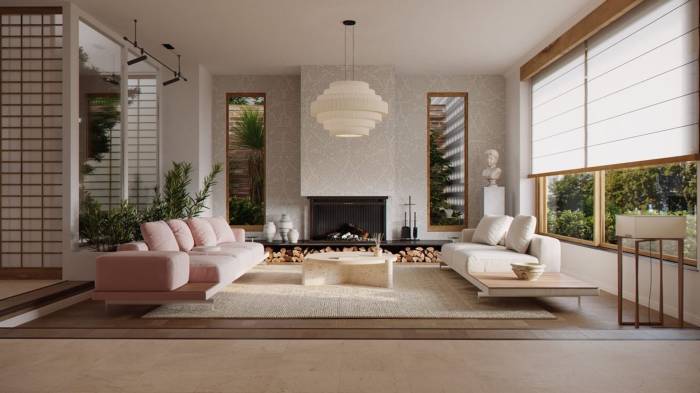 In conclusion, modern Japanese interior design encapsulates a perfect balance between past and present, tradition and innovation. By blending the essence of Japanese culture with modern design principles, these interiors offer a serene and elegant living environment that is both functional and visually appealing.
Dive into the world of modern Japanese interior design and transform your space into a harmonious sanctuary inspired by the Land of the Rising Sun.
In conclusion, modern Japanese interior design encapsulates a perfect balance between past and present, tradition and innovation. By blending the essence of Japanese culture with modern design principles, these interiors offer a serene and elegant living environment that is both functional and visually appealing.
Dive into the world of modern Japanese interior design and transform your space into a harmonious sanctuary inspired by the Land of the Rising Sun.
Introduction to Modern Japanese Interior Design
Modern Japanese interior design is a style that combines traditional Japanese elements with contemporary aesthetics to create a minimalist, harmonious, and serene living space. This design approach focuses on simplicity, natural materials, and the concept of "ma" or negative space to create a calm and uncluttered environment.Key Characteristics of Modern Japanese Interior Design
- Minimalism: Clean lines, simple furniture, and a lack of clutter are hallmarks of modern Japanese interior design.
- Natural Materials: Wood, bamboo, paper, and stone are commonly used to bring nature indoors and create a sense of warmth and tranquility.
- Neutral Color Palette: Soft, earthy tones like beige, grey, and white dominate the color scheme, with accents of natural colors like green or brown.
- Shoji Screens: Sliding doors made of translucent paper and wooden frames are used to divide spaces and allow natural light to filter through.
- Fusuma Doors: Sliding doors adorned with traditional Japanese paintings or patterns add elegance and a touch of culture to the interior.
Cultural Influences on Modern Japanese Interior Design
Modern Japanese interior design is deeply influenced by the principles of Zen Buddhism, which emphasize simplicity, mindfulness, and the beauty of imperfection. This cultural philosophy can be seen in the clean lines, natural materials, and minimalist approach of modern Japanese interiors. Additionally, the concept of "wabi-sabi," which celebrates the beauty of impermanence and imperfection, is reflected in the use of weathered or aged materials to add character and depth to the space.Elements of Modern Japanese Interior Design
In modern Japanese interior design, the use of natural materials like wood and stone plays a crucial role in creating a harmonious and serene living space. These materials are valued for their organic beauty and ability to bring a sense of nature indoors.Use of Natural Materials
Wood and stone are commonly used in modern Japanese interior design to evoke a sense of tranquility and connection to the natural world. Wood, such as cedar, cypress, and bamboo, is often used for flooring, walls, and furniture due to its warm and soothing aesthetic. Stone, like granite and marble, is utilized for countertops, accents, and even traditional Japanese rock gardens known as "Karesansui."Minimalism in Design
Minimalism is a key principle in modern Japanese interior design, focusing on simplicity, clean lines, and uncluttered spaces. This design philosophy emphasizes the beauty of empty spaces and the importance of functionality. Furniture is often low to the ground, and rooms are kept open and airy to promote a sense of calm and serenity.Role of Sliding Doors
Sliding doors, known as "fusuma" and "shoji," are essential elements in modern Japanese interior design for creating flexible spaces within a home. Fusuma are opaque, sliding doors made of wooden frames covered in paper or fabric, used to divide rooms or create privacy. Shoji doors, on the other hand, are translucent doors made of wooden frames with paper inserts, allowing natural light to filter through while maintaining privacy.Color Palette in Modern Japanese Interior Design
When it comes to modern Japanese interior design, the color palette plays a crucial role in creating a serene and harmonious space that reflects the minimalist and nature-inspired aesthetics of Japanese culture.Neutral Colors: Beige, Grey, and White
Neutral colors like beige, grey, and white are often used as the base for modern Japanese interior design. These colors help to create a sense of simplicity, tranquility, and openness in the space. Beige represents warmth and earthiness, grey adds a sense of sophistication, while white symbolizes purity and cleanliness.Accents of Colors: Indigo or Red
Incorporating accents of colors like indigo or red in modern Japanese interior design adds a pop of color and visual interest to the space. Indigo, a deep blue hue, is often used to represent the sea and the sky, bringing a sense of calmness and depth. Red, on the other hand, symbolizes energy, vitality, and happiness in Japanese culture, and can be used sparingly to create focal points or highlight specific elements in the design.Furniture and Decor in Modern Japanese Interior Design
Japanese interior design is known for its minimalism, functionality, and harmony with nature. When it comes to furniture and decor in modern Japanese interior design, there is a unique blend of traditional elements and contemporary styles that create a serene and elegant space.Traditional Japanese Furniture Pieces
In traditional Japanese interiors, furniture pieces like tatami mats, which are made of rice straw and woven rush, are commonly used as flooring. These mats not only add a natural and organic feel to the space but also provide a comfortable surface for sitting and sleeping. Low tables called "chabudai" are also prevalent in Japanese homes, promoting a closer connection to the ground and encouraging a relaxed and intimate dining experience.Integration of Modern Furniture with Traditional Elements
Modern Japanese interior design often incorporates sleek and minimalist furniture pieces that complement traditional elements. For example, a contemporary sofa in neutral tones can be paired with a low coffee table to create a harmonious balance between old and new. The key is to maintain a sense of simplicity and functionality while combining different styles to create a cohesive lookDecorative Items in Modern Japanese Interior Design
Decorative items like bonsai trees and ikebana arrangements play a significant role in modern Japanese interior design. Bonsai trees symbolize harmony, balance, and the passage of time, adding a touch of nature and tranquility to the space. Ikebana, the art of Japanese flower arrangement, focuses on minimalism and asymmetry, creating elegant and understated floral displays that enhance the overall aesthetic of the room.Lighting in Modern Japanese Interior Design
Natural light plays a crucial role in modern Japanese interior design, as it creates a sense of openness and connection to the outdoors. The design philosophy focuses on maximizing natural light to illuminate the space and create a welcoming atmosphere.Ambient Lighting and Paper Lanterns (Chochin)
In addition to natural light, ambient lighting is also commonly used in modern Japanese interior design to create a warm and inviting atmosphere. Paper lanterns, known as "chochin," are traditional Japanese lighting fixtures that add a touch of cultural charm to the space. These lanterns emit a soft, diffused light that helps to create a cozy and relaxing environment.Creating a Harmonious Atmosphere Through Lighting
Lighting is carefully considered in modern Japanese interior design to achieve a harmonious balance between natural light, ambient lighting, and decorative fixtures. The goal is to create a tranquil and peaceful atmosphere that promotes relaxation and mindfulness. By strategically placing lighting elements throughout the space, designers can enhance the overall aesthetic and functionality of the room.Spatial Layout and Organization
In modern Japanese interior design, the spatial layout and organization are carefully planned to create a sense of tranquility and harmony within a space. The design emphasizes open floor plans and simplicity to promote a clean and minimalist aesthetic.Concept of Ma (Negative Space)
In modern Japanese interior design, the concept of ma, or negative space, plays a crucial role in creating a balanced and harmonious environment. Ma refers to the void or emptiness between objects, which is just as important as the objects themselves. By incorporating ma into the design, rooms feel more spacious, peaceful, and uncluttered.Room Organization for Flow and Functionality
Rooms in modern Japanese interior design are organized in a way that promotes flow and functionality. Furniture is often kept low to the ground to maintain an open feel, and sliding doors are commonly used to divide spaces without disrupting the overall flow. Additionally, natural materials like wood and bamboo are frequently used to create a warm and inviting atmosphere. By carefully considering the layout and organization of each room, modern Japanese interior design aims to create a space that is both aesthetically pleasing and highly functional.Integration of Technology in Modern Japanese Interior Design
In modern Japanese interior design, technology is seamlessly integrated into traditional elements to create a harmonious blend of functionality and aesthetics. Smart home systems play a significant role in enhancing the overall living experience while maintaining the minimalist and serene atmosphere that is characteristic of Japanese design.Smart Home Systems
Smart home systems, such as automated lighting, temperature control, and entertainment systems, are commonly incorporated into modern Japanese interiors. These systems not only offer convenience and efficiency but also contribute to the overall ambiance of the space. For example, adjustable lighting can create different moods throughout the day, while smart temperature control ensures a comfortable environment at all times.Innovative Appliances
Modern Japanese interiors often feature state-of-the-art appliances that blend seamlessly with the design aesthetic. High-tech kitchen appliances, bathroom fixtures, and home entertainment systems are carefully selected to complement the clean lines and natural materials used in the space. These innovative technologies enhance the functionality of the home without compromising its visual appeal.Integration of Sustainable Technology
In line with the Japanese philosophy of sustainability, modern interiors also incorporate eco-friendly technologies. Solar panels, energy-efficient lighting, and smart thermostats are just a few examples of sustainable technology integrated into Japanese design. These features not only reduce the environmental impact of the home but also contribute to a healthier and more efficient living space.Final Summary
In conclusion, modern Japanese interior design encapsulates a perfect balance between past and present, tradition and innovation. By blending the essence of Japanese culture with modern design principles, these interiors offer a serene and elegant living environment that is both functional and visually appealing.
Dive into the world of modern Japanese interior design and transform your space into a harmonious sanctuary inspired by the Land of the Rising Sun.