

Step into a world where opulence meets design as we unravel the essence of grand interiors. From intricate details to historical significance, this exploration promises to captivate your senses and leave you in awe of architectural marvels.
Delve into the realm of grand interiors where luxury and sophistication converge to create spaces that exude magnificence and grandeur.
 Grand interiors refer to the design and architecture of interior spaces that exude opulence, luxury, and magnificence. These spaces are characterized by their lavish decorations, intricate details, and grand scale, creating a sense of grandeur and sophistication.
.
Grand interiors refer to the design and architecture of interior spaces that exude opulence, luxury, and magnificence. These spaces are characterized by their lavish decorations, intricate details, and grand scale, creating a sense of grandeur and sophistication.
.
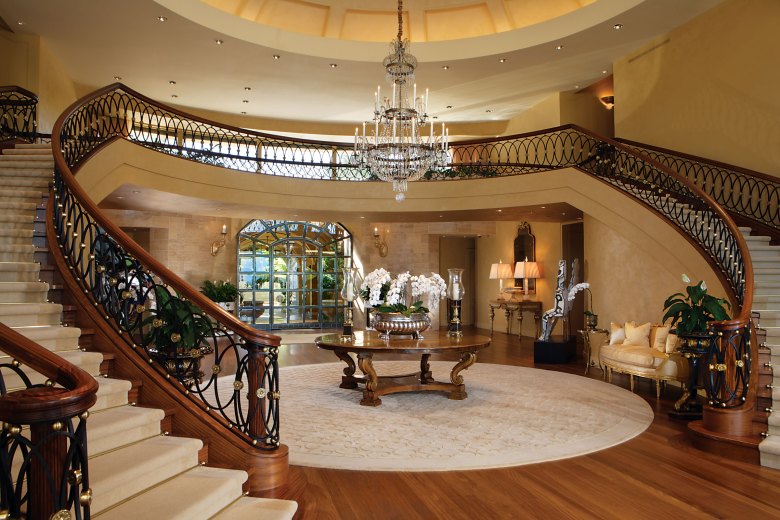 Culture plays a significant role in shaping the design of grand interiors around the world. From traditional customs to historical heritage, different cultures contribute unique elements that reflect their identity and values in interior design. Let's explore how cultural influences impact the creation of grand interiors.
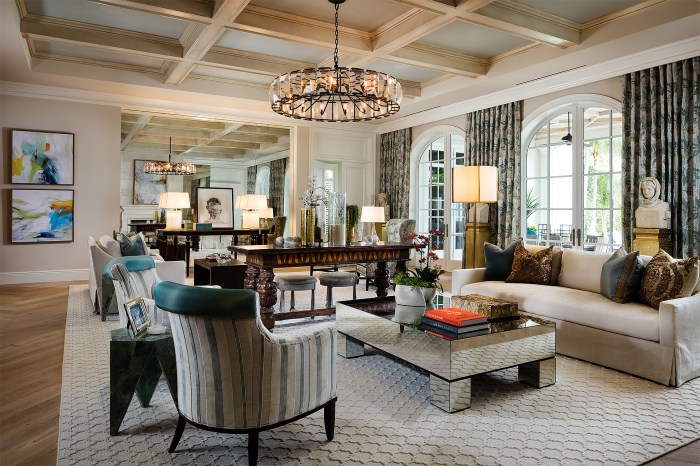 In today's design landscape, modern interpretations of grand interiors have evolved to blend traditional opulence with contemporary functionality. Designers are reimagining grand interiors to fit the needs of modern spaces while still paying homage to the historical significance of grand design elements.
Definition of Grand Interiors
Grand interiors refer to the design and architecture of interior spaces that exude opulence, luxury, and magnificence. These spaces are characterized by their lavish decorations, intricate details, and grand scale, creating a sense of grandeur and sophistication.
Key Elements of Grand Interiors
- Rich Materials: Grand interiors often feature luxurious materials such as marble, gold leaf, crystal, and silk, adding a touch of elegance to the space.
- Elaborate Details: Intricate carvings, ornate moldings, and elaborate patterns are commonly found in grand interiors, emphasizing the craftsmanship and attention to detail.
- Large Scale: Grand interiors are known for their spaciousness and grand scale, with high ceilings, oversized chandeliers, and expansive rooms that create a sense of grandeur.
- Historical Influence: Many grand interiors draw inspiration from historical architecture and design styles, such as Baroque, Rococo, and Neoclassical, adding a sense of timelessness and sophistication to the space.
Examples of Famous Buildings with Grand Interiors
- The Palace of Versailles, France: Known for its extravagant interiors, the Palace of Versailles features grand halls, intricate tapestries, and ornate furniture that reflect the opulence of the French monarchy.
- The Taj Mahal, India: The interior of the Taj Mahal is adorned with intricate marble inlay work, precious gemstones, and elaborate carvings, creating a breathtaking display of grandeur and beauty.
- The Palace of Westminster, UK: Home to the British Parliament, the Palace of Westminster boasts grand interiors with ornate ceilings, stained glass windows, and intricate woodwork that showcase the country's rich history and architectural heritage.
Historical Significance
Grand interiors in architecture have a rich historical evolution that has been influenced by various architectural styles throughout different periods. These grand interiors have not only served as a reflection of societal values and cultural norms but have also showcased the technological advancements and artistic expressions of their time.Classical Antiquity
In ancient Greece and Rome, grand interiors were characterized by the use of marble, intricate mosaics, and elaborate frescoes. The design focused on symmetry, proportion, and the incorporation of columns and arches. These elements laid the foundation for classical architecture that continues to influence grand interior designs today.Baroque and Rococo Periods
During the Baroque and Rococo periods in the 17th and 18th centuries, grand interiors became more ornate and extravagant. Baroque interiors featured dramatic lighting, rich colors, and grandiose ceilings, while Rococo interiors were characterized by delicate ornamentation, pastel colors, and asymmetrical designs. These styles reflected the opulence and grandeur of the aristocracy and royalty of the time.Neoclassical and Victorian Era
The Neoclassical movement in the 18th and 19th centuries drew inspiration from classical antiquity, emphasizing simplicity, symmetry, and clean lines. Neoclassical interiors often featured grand staircases, large windows, and elegant furnishings. In contrast, the Victorian era embraced eclecticism, incorporating elements from various historical styles into grand interiors. This era saw the rise of elaborate wallpapers, dark woods, and intricate detailing.Art Deco and Modernism
In the early 20th century, the Art Deco movement brought a new wave of grand interior design characterized by geometric patterns, luxurious materials, and streamlined forms. Art Deco interiors exuded glamour and sophistication, often seen in grand hotels and theaters. The Modernist movement that followed focused on functionality, minimalism, and the use of industrial materials. Grand interiors of this period featured open floor plans, large windows, and a lack of ornamentation.Key Features and Design Elements
When it comes to grand interiors, there are certain key design elements that are commonly found to enhance the luxurious and opulent feel of a space. These elements play a crucial role in creating a sense of grandeur and sophistication.Materials Used in Grand Interior Design
In grand interior design, materials such as marble, gold accents, intricate moldings, and luxurious fabrics are often used to elevate the overall look and feel of the space. Marble, with its elegant and timeless appeal, is frequently used for flooring, countertops, and even decorative elements like columns and fireplace surrounds. Gold accents add a touch of luxury and sophistication, whether in the form of gilded furniture, light fixtures, or decorative trim. Intricate moldings, such as crown moldings, baseboards, and ceiling details, help create a sense of depth and dimension in the space. Luxurious fabrics like silk, velvet, and satin are used for draperies, upholstery, and bedding to add texture and richness to the interior designRole of Lighting in Enhancing Interiors
Lighting plays a crucial role in enhancing the grandeur of interiors by creating ambiance, highlighting architectural details, and setting the mood. Chandeliers, wall sconces, and recessed lighting fixtures are commonly used in grand interiors to provide both functional and decorative illumination. The placement of lighting fixtures can accentuate key design elements, such as ornate moldings, intricate ceiling details, and statement furniture pieces. Additionally, the use of dimmers and lighting controls allows for flexibility in adjusting the lighting levels to suit different occasions and create different atmospheres within the space.Cultural Influences
Culture plays a significant role in shaping the design of grand interiors around the world. From traditional customs to historical heritage, different cultures contribute unique elements that reflect their identity and values in interior design. Let's explore how cultural influences impact the creation of grand interiors.
Cultural Traditions in Interior Design
Cultural traditions deeply influence the design of grand interiors, incorporating elements such as patterns, colors, and materials that hold symbolic significance. For example, in Chinese culture, red is a symbol of luck and happiness, often used in luxurious interiors to evoke prosperity. On the other hand, Middle Eastern cultures incorporate intricate geometric patterns and lush fabrics like silk and velvet to create opulent spaces that reflect their rich heritage.Regional Contrasts in Grand Interiors
When comparing grand interiors from different cultures and regions, distinct contrasts emerge in terms of style, materials, and aesthetics. European grand interiors, characterized by ornate furniture, elaborate chandeliers, and intricate moldings, exude a sense of royalty and sophistication. In contrast, Japanese grand interiors focus on simplicity, natural materials like wood and paper, and minimalist design to create serene and harmonious spaces that reflect Zen principles.Cultural Symbolism in Design
Cultural symbolism is intricately woven into the design of grand interiors, conveying deeper meanings and narratives through decorative elements and architectural features. For instance, Indian grand interiors often feature intricate carvings and motifs inspired by Hindu mythology, representing spiritual beliefs and cultural heritage. Similarly, African grand interiors incorporate tribal art, vibrant colors, and natural textures to celebrate indigenous traditions and storytelling.Modern Interpretations
In today's design landscape, modern interpretations of grand interiors have evolved to blend traditional opulence with contemporary functionality. Designers are reimagining grand interiors to fit the needs of modern spaces while still paying homage to the historical significance of grand design elements.