Embark on a journey into the world of design home real home decor, where creativity meets functionality in the most enchanting way. From defining the concept to exploring design principles, this topic delves into the intricate relationship between design and real home decor.
Let's dive in to uncover the secrets of creating a space that not only looks visually appealing but also feels like a true home.
 Real home decor involves various key elements that contribute to the overall design of a space. Each element plays a crucial role in creating a cohesive and harmonious environment that reflects the homeowner's style and personality. Let's explore some of these essential elements and how they impact the overall design.
.
Real home decor involves various key elements that contribute to the overall design of a space. Each element plays a crucial role in creating a cohesive and harmonious environment that reflects the homeowner's style and personality. Let's explore some of these essential elements and how they impact the overall design.
.
Understanding the Concept
Design Home Real Home Decor refers to the incorporation of authentic and personalized home decor elements within design projects to create a space that reflects the homeowner's style, personality, and lifestyle. It involves using real items like family heirlooms, unique artwork, handmade crafts, and vintage pieces to enhance the overall design aesthetic.Real home decor is crucial in design as it adds character, warmth, and a personal touch to a space. By integrating meaningful and sentimental items into the design, the space becomes more inviting, comfortable, and reflective of the homeowner's identity. This not only creates a visually appealing environment but also fosters a sense of connection and belonging for the residents.Design and real home decor go hand in hand as they complement each other to create a harmonious and cohesive living space. While design principles such as color palettes, furniture layouts, and lighting play a significant role in shaping the overall look and feel of a room, real home decor adds a layer of authenticity and individuality that cannot be achieved through design alone. The combination of both elements results in a space that is not only aesthetically pleasing but also emotionally fulfilling for the inhabitants.Elements of Real Home Decor
Real home decor involves various key elements that contribute to the overall design of a space. Each element plays a crucial role in creating a cohesive and harmonious environment that reflects the homeowner's style and personality. Let's explore some of these essential elements and how they impact the overall design.
Color Palette
The color palette is a fundamental element of real home decor as it sets the tone for the entire space. Different colors evoke different emotions and can greatly influence the mood of a room. For example, warm tones like reds and oranges can create a cozy and inviting atmosphere, while cool tones like blues and greens can promote a sense of calm and relaxation.Furniture and Accessories
The furniture and accessories in a home contribute to both the functionality and aesthetics of a space. The right furniture pieces can define the style of a room, whether it be modern, traditional, or eclectic. Accessories such as artwork, rugs, and lighting fixtures add personality and character to the space, making it feel more lived-in and inviting.Texture and Materials
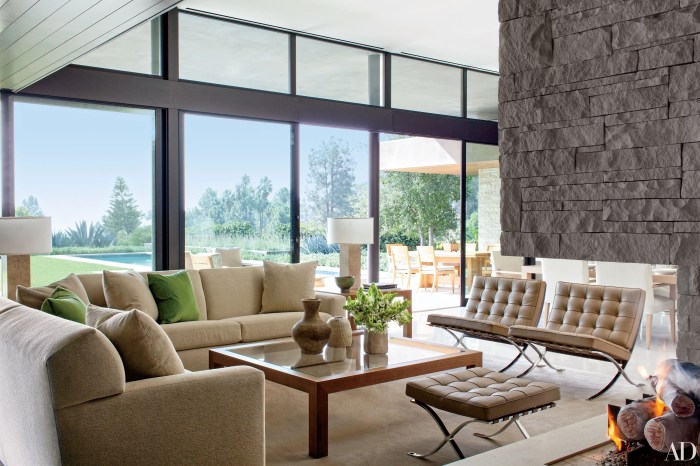
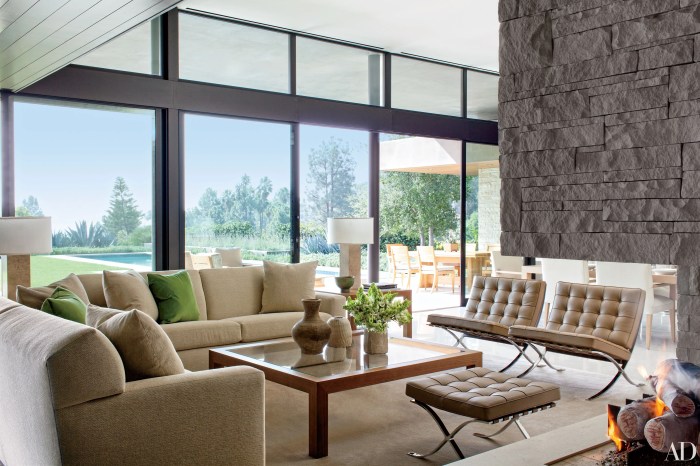
Texture and materials play a significant role in adding depth and visual interest to a room. Mixing different textures like wood, glass, metal, and textiles can create a dynamic and layered look. Incorporating natural materials like stone or wood can bring a sense of warmth and authenticity to the space.Lighting
Lighting is a crucial element in real home decor as it not only illuminates the space but also enhances the ambiance. Proper lighting can highlight architectural features, create focal points, and set the mood of a room. Natural light is always preferred, but artificial lighting sources like lamps, sconces, and chandeliers can be strategically used to create a welcoming and well-lit environment.Personal Touches
Adding personal touches to a space is what truly makes it feel like home. Family photos, sentimental objects, and cherished possessions can add a sense of nostalgia and personality to a room. Incorporating elements that reflect the homeowner's interests, hobbies, and travels can make the space unique and meaningful.Design Principles and Real Home Decor
When it comes to integrating real home decor into a space, design principles play a crucial role in achieving a harmonious and balanced look. By understanding how elements like balance, harmony, and contrast work together, one can create a cohesive design that not only looks beautiful but also enhances the functionality of the spaceBalance
Balance is key in real home decor as it ensures that elements are distributed evenly throughout the space, creating a sense of equilibrium. This can be achieved through symmetrical or asymmetrical balance, where objects of varying visual weight are strategically placed to create a harmonious composition.Harmony
Harmony in design refers to the coherence and unity of all elements working together seamlessly. In real home decor, harmony can be achieved through a consistent color palette, texture, and style that ties the space together and creates a sense of continuity and flow.Contrast
Contrast adds visual interest and depth to a space by juxtaposing different elements against each other. In real home decor, contrast can be created through the use of light and dark colors, smooth and textured surfaces, or modern and traditional furniture pieces. This helps to highlight key features and create a dynamic and engaging environment.Functionality
Real home decor goes beyond aesthetics and also focuses on enhancing the functionality of a space. By carefully considering the layout, furniture placement, and storage solutions, real home decor can optimize the usability of a room while still maintaining a stylish and inviting atmosphere.Implementing Real Home Decor
When it comes to incorporating real home decor into design projects, there are several key tips to keep in mind. Selecting elements that align with the design concept is crucial for a cohesive and harmonious look. Below are some guidelines and examples of successful design projects that effectively utilize real home decor.Tips for Incorporating Real Home Decor
- Start by identifying the overall style or theme of the space you are decorating. This will help you choose decor elements that complement the design concept.
- Consider the function of the room and choose decor pieces that not only look good but also serve a purpose. For example, a decorative mirror can add visual interest while also reflecting light and making the space appear larger.
- Mix and match different textures, colors, and materials to add depth and visual appeal to the room. Don't be afraid to experiment with different combinations to create a unique look.
- Personalize the space with meaningful decor items such as family photos, travel souvenirs, or handmade pieces. This will add a personal touch and make the space feel more inviting.
Selecting Real Home Decor Elements
- Consider the scale of the room and choose decor pieces that are proportionate to the space. Oversized or undersized items can throw off the balance of the room.
- Look for decor elements that reflect your personality and style preferences. Whether you prefer a minimalist look or a more eclectic vibe, choose pieces that resonate with you.
- Pay attention to the architectural details of the space and choose decor elements that enhance these features. For example, you can use wall art to highlight a high ceiling or a statement rug to anchor a room.
Examples of Successful Design Projects
- In a modern living room, real home decor elements such as a sleek leather sofa, a contemporary coffee table, and minimalist wall art create a cohesive and sophisticated look.
- In a bohemian-inspired bedroom, real home decor elements like a macrame wall hanging, a vintage rug, and a mix of colorful throw pillows come together to create a cozy and eclectic vibe.
- In a Scandinavian-style kitchen, real home decor elements such as natural wood accents, clean-lined furniture, and simple ceramic dinnerware contribute to a minimalist and inviting atmosphere.