Embark on a journey into the world of Danish interior design, where simplicity meets sophistication. Discover the essence of Danish design principles and the timeless elegance it brings to living spaces.
Uncover the history, influences, and key elements that define the beauty of Danish interiors, setting them apart in the realm of design.
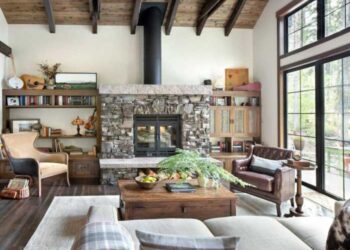
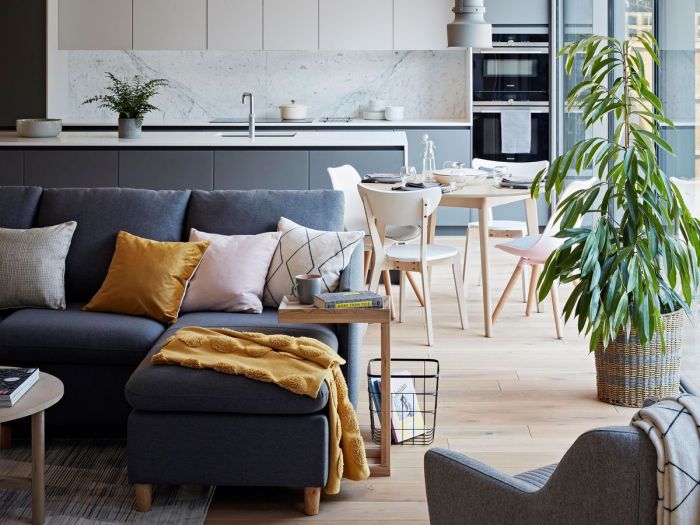 Danish interior design is known for its minimalistic and functional approach, focusing on clean lines, natural materials, and a sense of coziness. This style emphasizes simplicity, comfort, and a connection to nature.
.
Danish interior design is known for its minimalistic and functional approach, focusing on clean lines, natural materials, and a sense of coziness. This style emphasizes simplicity, comfort, and a connection to nature.
.
Overview of Danish Interior Design
Danish interior design is known for its minimalistic and functional approach, focusing on clean lines, natural materials, and a sense of coziness. This style emphasizes simplicity, comfort, and a connection to nature.
Key Characteristics of Danish Interior Design
- Functionalism: Danish design prioritizes functionality, with furniture and decor serving a purpose while also being aesthetically pleasing.
- Minimalism: Clean lines, simple forms, and a neutral color palette are common in Danish interior design, creating a sense of calm and serenity.
- Hygge: A concept central to Danish culture, hygge encompasses coziness, warmth, and a feeling of contentment, which is reflected in the design of Danish interiors.
- Natural Materials: Wood, leather, and textiles like wool and cotton are often used in Danish interior design to bring warmth and texture to spaces.
Popular Danish Interior Design Elements
- Mid-Century Modern Furniture: Iconic designs by Danish designers like Hans Wegner, Arne Jacobsen, and Finn Juhl continue to be popular in Danish interiors.
- Pendant Lighting: Sleek and stylish pendant lights are commonly used to illuminate spaces and add a touch of elegance to Danish interiors.
- Scandinavian Textiles: Soft, natural textiles in muted tones and simple patterns are frequently used to enhance the cozy and inviting atmosphere of Danish homes.
Historical Influences on Danish Interior Design
Danish interior design has been influenced by various historical factors, including:- The Bauhaus Movement: The Bauhaus emphasis on functionality and minimalism had a significant impact on Danish design principles in the early 20th century.
- Folk Art Tradition: Danish interiors often feature elements inspired by traditional folk art, such as intricate wood carvings and handwoven textiles.
- Modernism: The modernist movement in the mid-20th century played a key role in shaping Danish design, focusing on simplicity, form, and craftsmanship.
Color Palette and Materials
In Danish interior design, the color palette is typically characterized by neutral tones such as whites, creams, grays, and earthy tones like soft blues and greens. These colors create a sense of calmness and simplicity in the space.Significance of Natural Materials
Natural materials like wood and leather play a significant role in Danish interiors. Wood, especially light oak or beech, is often used for furniture, flooring, and accents, adding warmth and a connection to nature. Leather is also a popular choice for upholstery and accessories, providing texture and a touch of luxury.Comparison of Materials in Modern vs. Traditional Designs
In modern Danish interior design, there is a blend of traditional materials like wood with more contemporary materials such as metal, glass, and concrete. This mix of textures and finishes creates a harmonious balance between the old and the new, while still maintaining the simplicity and functionality that Danish design is known forFurniture Design
When it comes to Danish interior design, furniture plays a crucial role in creating a harmonious and functional living space. Danish furniture design is known for its iconic pieces, emphasis on functionality, and minimalistic aesthetics.Iconic Danish Furniture Designers
Danish furniture designers have made significant contributions to the world of interior design with their timeless creations. Some of the most renowned designers include:- Arne Jacobsen: Known for his iconic Egg Chair and Swan Chair, Jacobsen's designs are synonymous with modern elegance.
- Hans Wegner: Often referred to as the "Master of the Chair," Wegner's creations, such as the Wishbone Chair and Shell Chair, are celebrated for their craftsmanship and comfort.
- Verner Panton: Panton's avant-garde designs, like the Panton Chair and Flowerpot Pendant Lamp, revolutionized the use of color and form in furniture design.
Functionality and Minimalism in Danish Furniture Design
Danish furniture design is characterized by a strong emphasis on functionality and minimalism. Each piece is crafted with the intention of serving a practical purpose while maintaining a clean and uncluttered aesthetic. The use of high-quality materials and attention to detail ensure that Danish furniture not only looks good but also stands the test of time.Comparison with Other Styles
While Danish furniture design is often associated with Scandinavian and Mid-Century Modern styles, it has its unique characteristics that set it apart. Scandinavian design shares the same focus on simplicity and natural materials, but Danish design tends to have a more refined and sophisticated touch. On the other hand, Mid-Century Modern design, although overlapping with Danish design in the mid-20th century, has a more eclectic and retro-inspired approach compared to the timeless elegance of Danish furniture.Lighting and Hygge
When it comes to Danish interior design, lighting plays a crucial role in creating a cozy and inviting atmosphere. The right lighting can make a space feel warm, welcoming, and hyggelig (the Danish term for cozy).The Importance of Lighting
In Danish interior design, lighting is considered an essential element for setting the mood and ambiance of a room. Soft, warm lighting is preferred over harsh, bright lights to create a sense of comfort and relaxation. Natural light is also highly valued, with large windows and strategically placed light fixtures to maximize its presence.Defining Hygge
Hygge is a Danish concept that encompasses coziness, contentment, and well-being. It is about creating a warm and inviting atmosphere that promotes relaxation and a sense of comfort. Hygge is not just about physical elements but also about the feeling of being present in the moment and enjoying the simple pleasures of life.Incorporating Hygge Elements
- Use soft, warm lighting such as candles, fairy lights, and dimmable fixtures to create a cozy atmosphere.
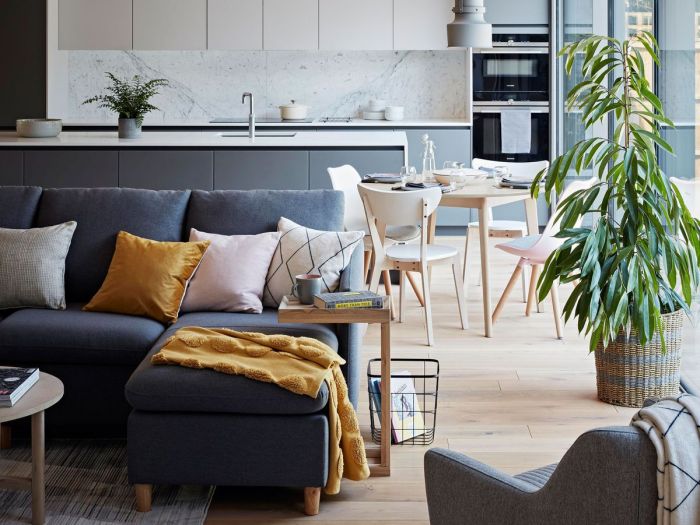
- Add plush textiles like cushions, throws, and rugs to enhance comfort and warmth.
- Bring in natural elements like wood, stone, and plants to connect with nature and create a sense of tranquility.
- Create intimate seating areas with comfortable furniture to encourage relaxation and socializing with loved ones.
- Limit clutter and keep decorations to a minimum to promote a sense of calm and simplicity in the space.